
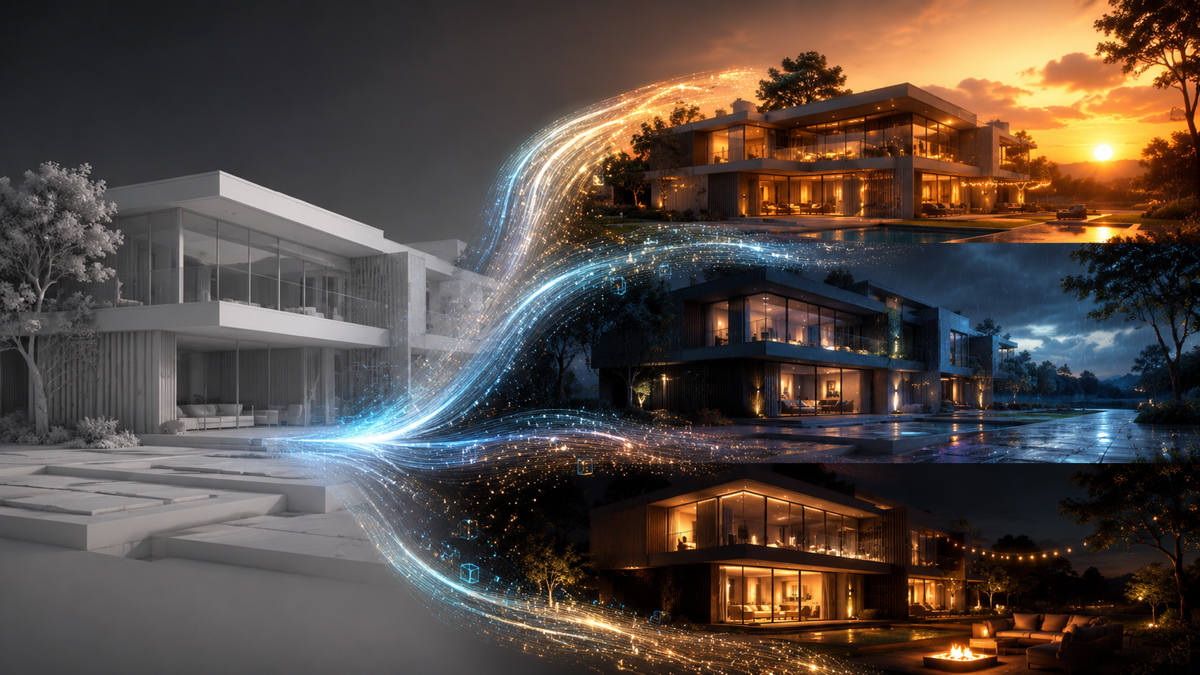
How AI Is Rewriting Architectural Visualization
Architectural visualization is entering one of the most important transitions in its history. For many years, rendering was mostly about technical precision: creating realistic materials, controlling light, setting cameras, and producing beautiful still images. But today, artificial intelligence is changing the way artists think, work, and present architectural ideas.
AI is not simply making rendering faster. It is expanding what rendering can become.
In the past, a typical workflow started with a 3D model, followed by materials, lighting, rendering, and post-production. This process still matters, but it is no longer the whole story. With AI tools, artists can now explore concepts faster, create mood variations, enhance images, generate atmosphere, improve details, and even transform still renders into cinematic videos.
This shift is moving architectural visualization from static image-making toward visual storytelling.
From Realism to Experience
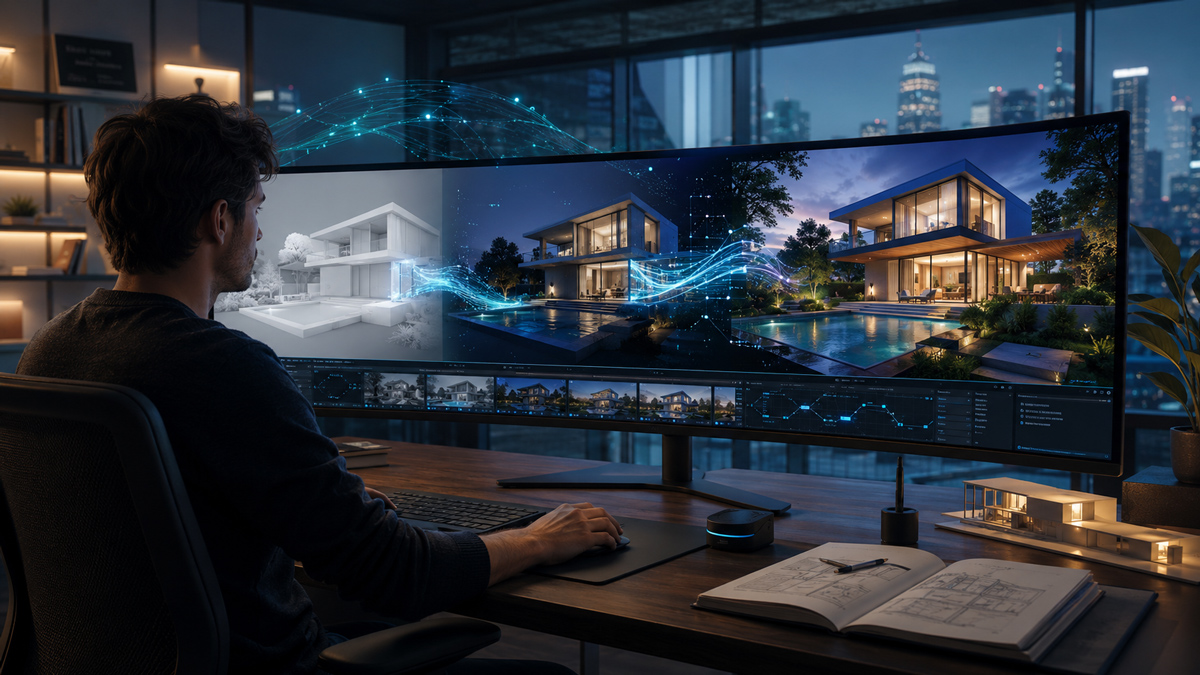
The goal of rendering used to be simple: make the image look real. Realism is still important, but clients and audiences now expect more. They want emotion, atmosphere, movement, and a stronger sense of story.
A great render today is not only technically accurate. It should communicate how a space feels.
This is where AI becomes powerful. It can help artists test different moods, lighting conditions, materials, and visual directions in a much shorter time. A simple clay render or base image can become the starting point for multiple creative possibilities.
Instead of spending days on early visual experiments, artists can now explore ideas in minutes and make better creative decisions earlier in the process.

What AI Can Change
AI is already improving several parts of the rendering workflow.
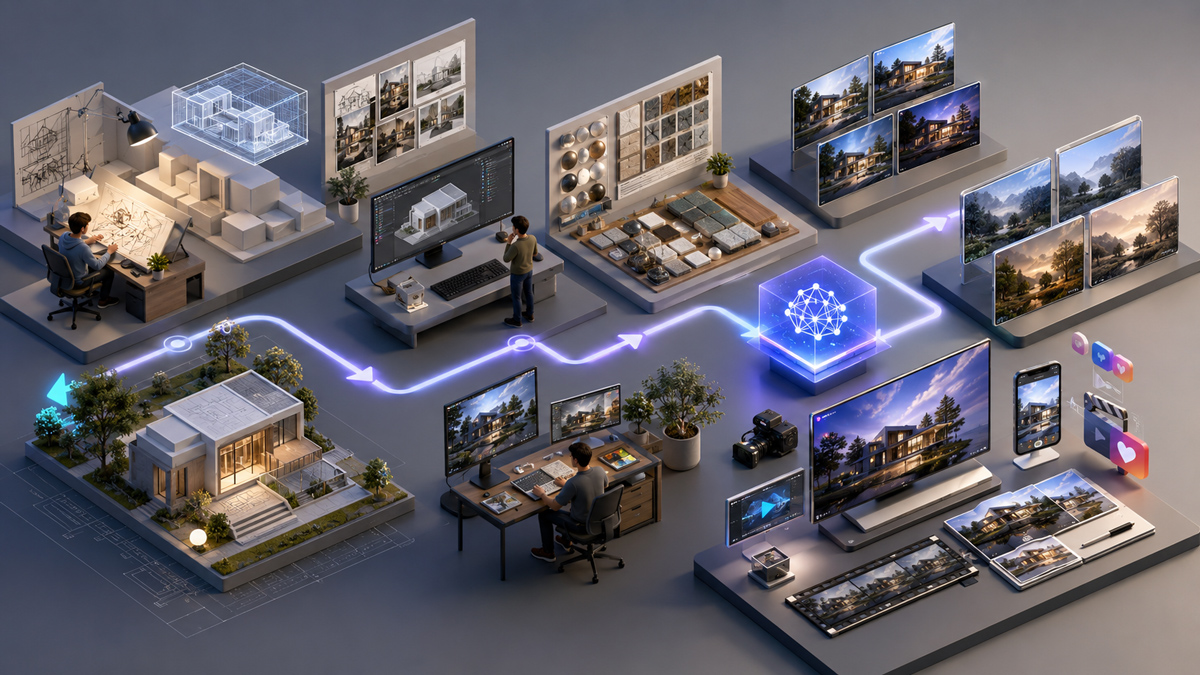
It can help with concept development, reference creation, image enhancement, upscaling, background generation, material exploration, and visual variations. It can also support animation by turning still images into short cinematic clips.
For architectural visualization, this is a major change. A render is no longer just a final output. It can become part of a larger presentation system that includes images, motion, storytelling, and social media-ready content.
This creates new opportunities for artists who understand both traditional 3D skills and modern AI workflows.
What AI Cannot Replace
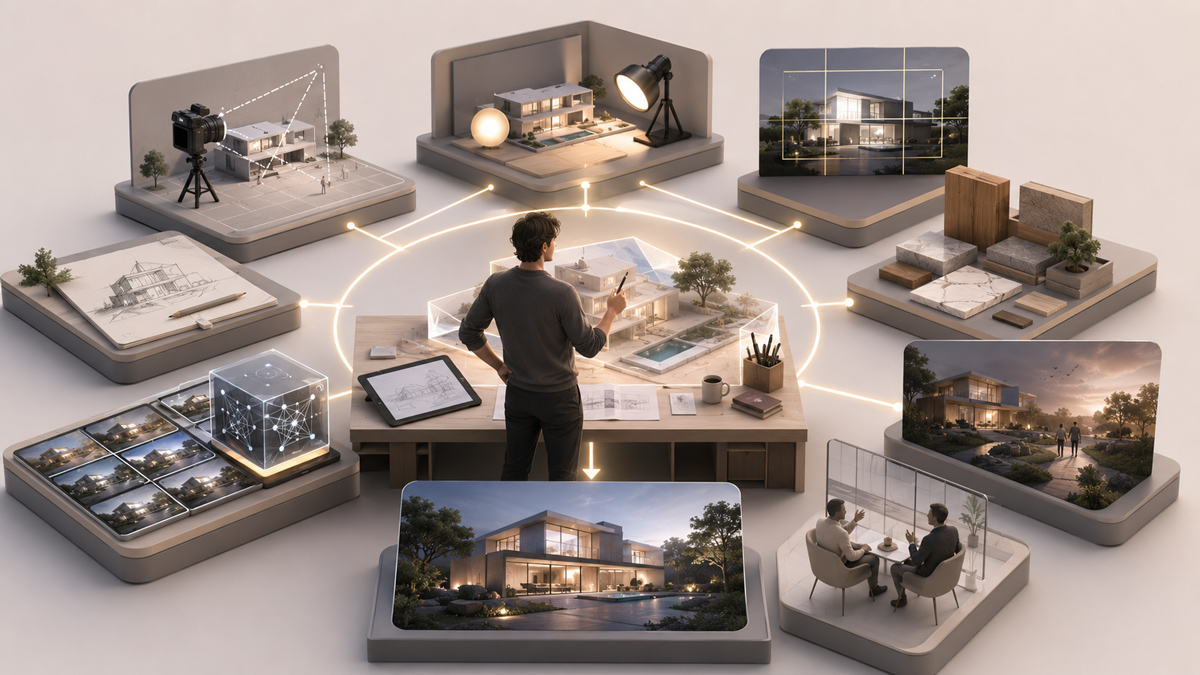
Even with all these possibilities, AI cannot replace the most important part of the creative process: human judgment.
AI can generate images, but it does not truly understand architecture. It does not know why a space should feel calm, dramatic, luxurious, warm, or minimal. It cannot fully replace composition, lighting sensitivity, design logic, storytelling, or communication with clients.
A strong artist knows how to guide the image.
They understand where the camera should be placed, how light should shape the mood, which details matter, and how to create a visual message that feels intentional. These decisions are still deeply human.
In the AI era, artists will not disappear. But their role will change.
The New Role of the Render Artist
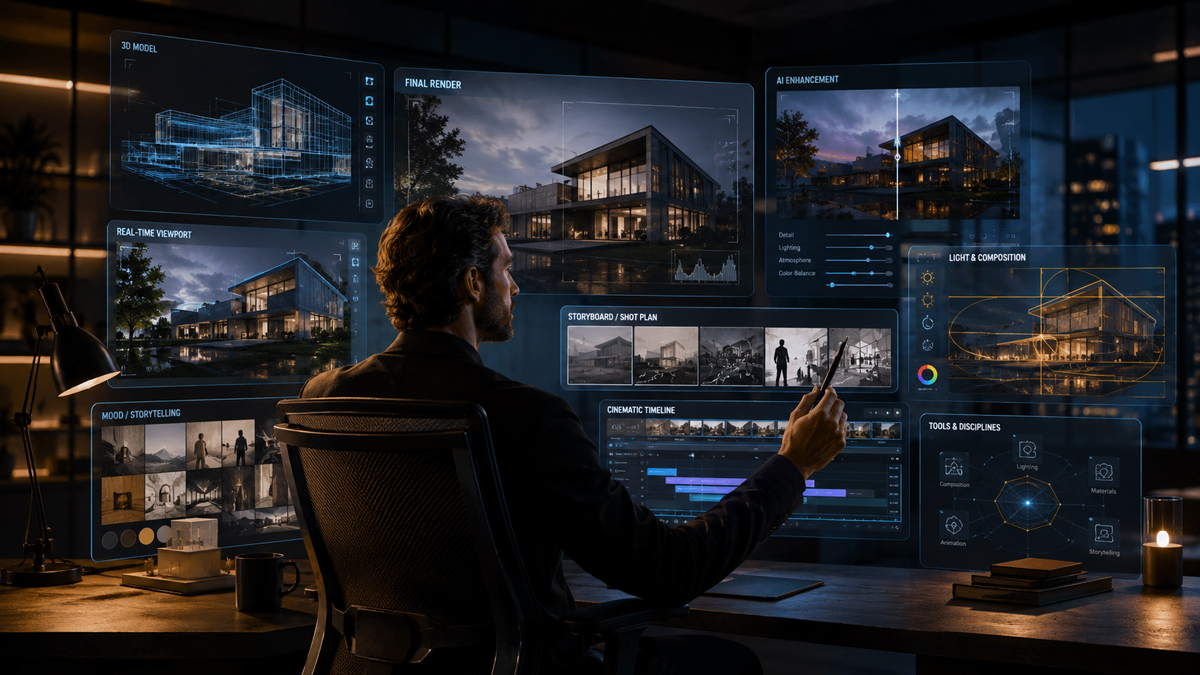
The future render artist will not only be a software operator. They will become a creative director, workflow designer, and visual storyteller.
The most valuable professionals will be those who can combine:
This hybrid skill set will define the next generation of architectural visualization.
Artists who only depend on software buttons may struggle. But artists who understand both creativity and technology will have more opportunities than ever.
New Career Opportunities
As AI becomes part of the visualization industry, new roles are emerging.
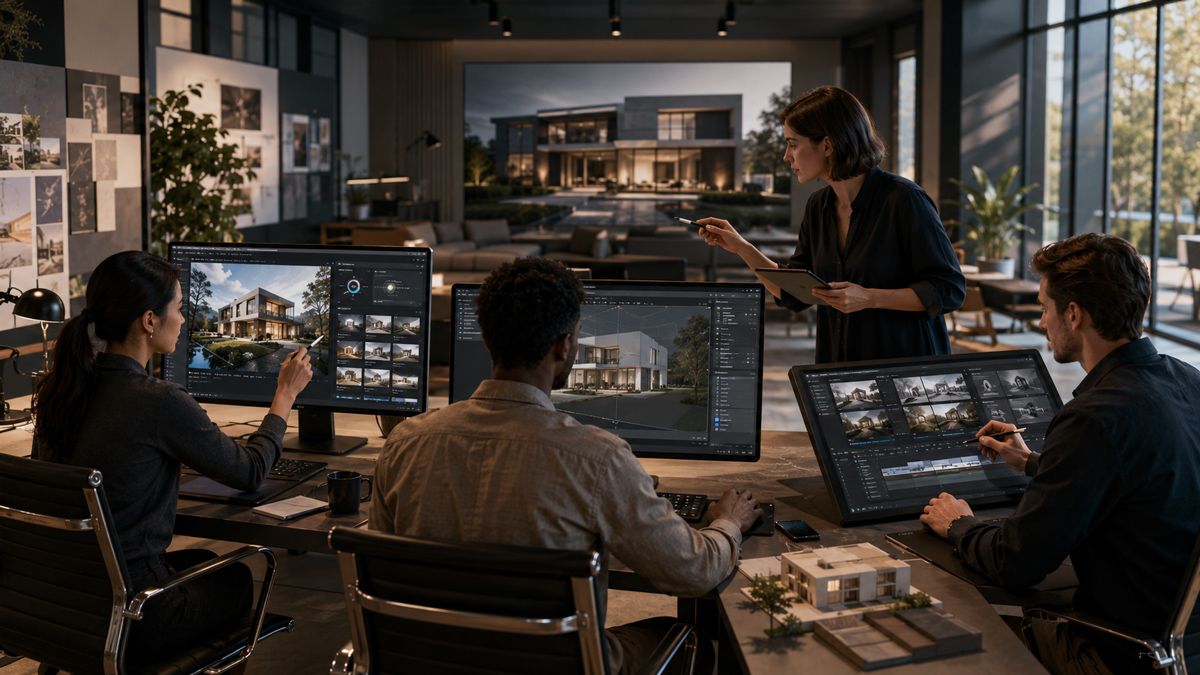
We will see more demand for AI visualization artists, prompt strategists, real-time visualization specialists, cinematic ArchViz storytellers, and workflow designers who can connect different tools into one efficient production system.
Studios and freelancers who learn how to use AI intelligently will be able to work faster, present better ideas, and offer more creative value to clients.
But speed alone is not enough.
The Challenges Ahead
The rise of AI also brings challenges. The market may become more crowded because more people can create attractive images quickly. This means originality, taste, and strong artistic direction will become even more important.
There are also concerns about copyright, image accuracy, overused styles, and generic-looking results. AI can create impressive visuals, but it can also create mistakes, unrealistic details, or images without personality.
That is why human control is essential.
AI should not replace the artist’s eye. It should support it.
The Future Belongs to Hybrid Creators
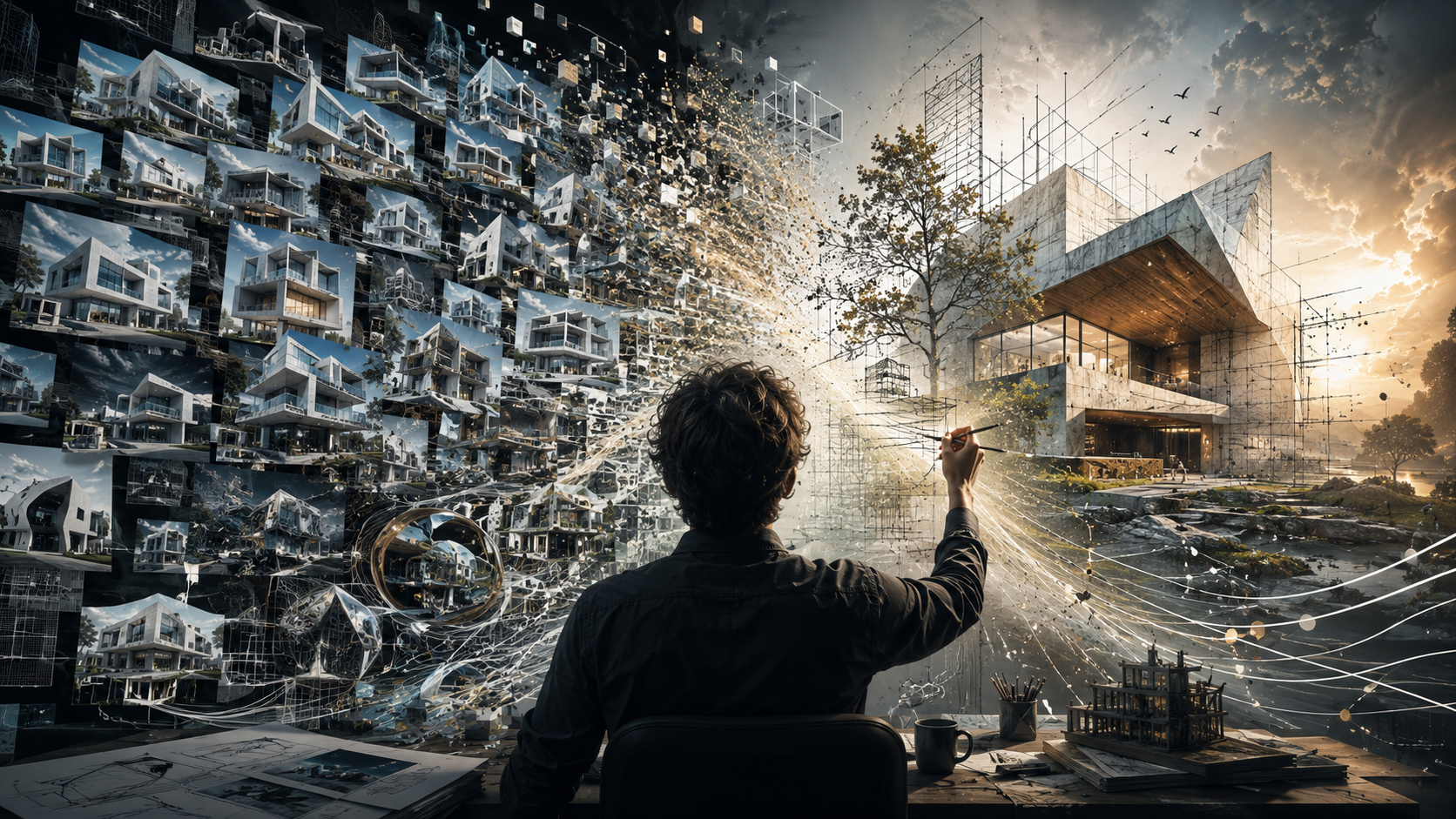
The future of rendering is not a battle between humans and machines. It is a collaboration.
AI will make many tasks faster, but the best results will still come from artists who understand design, emotion, light, composition, and storytelling. The strongest creators will be those who use AI as part of a complete creative workflow—not as a shortcut, but as a tool for better ideas and better communication.
Architectural visualization is no longer only about producing realistic images.
It is becoming a field where technology, cinema, design, and storytelling come together.
The future belongs to artists who are ready to learn, adapt, and lead this new creative era.
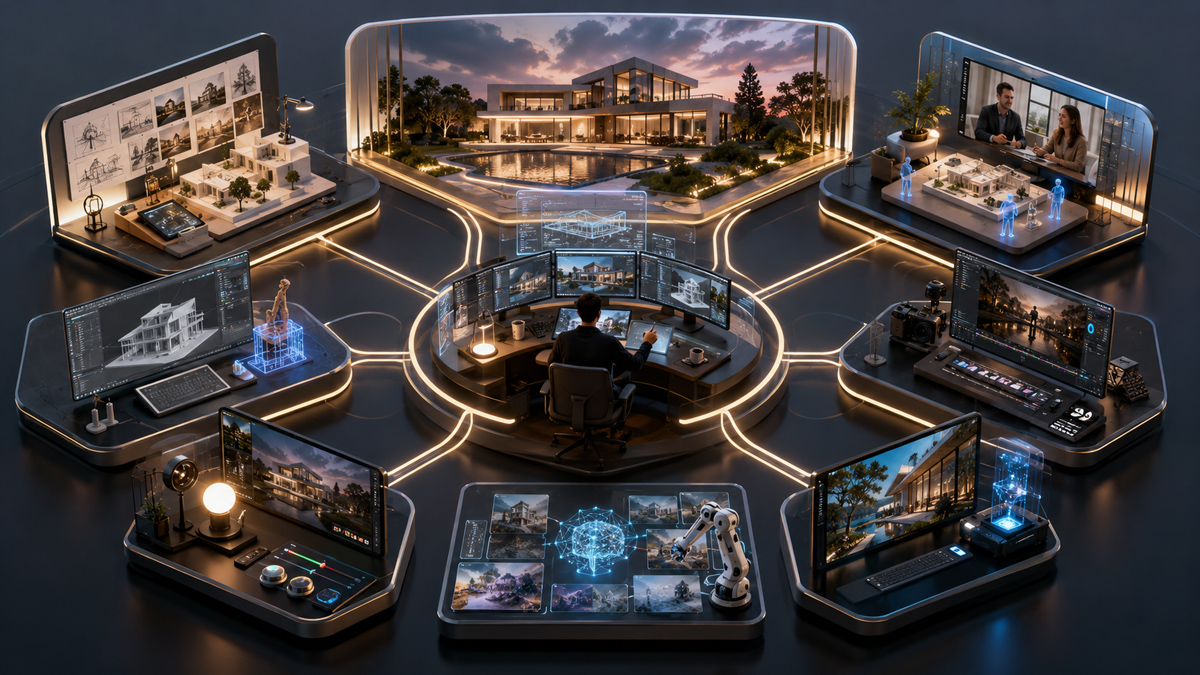
Learn the new generation of rendering and AI workflows at Neo Vector Academy.